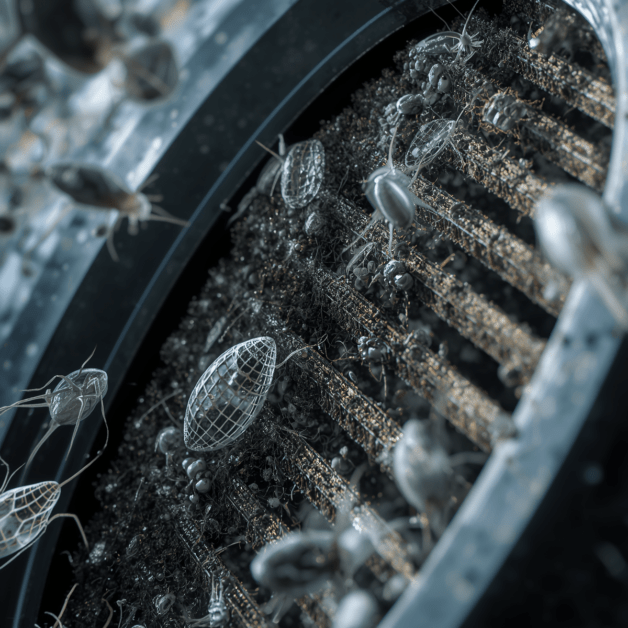
A vacuum cleaner is supposed to remove dust, dirt, and allergens from your home. But if you never clean the filter, it slowly starts doing the opposite. Instead of trapping particles efficiently, it can lose suction, blow dust back into the air, overheat, and wear out faster than it should.
A lot of homeowners do not think about the vacuum filter until something feels off. Maybe the vacuum suddenly sounds louder. Maybe it takes three passes to pick up crumbs that used to disappear in one. Maybe the room smells dusty after vacuuming instead of fresher. In many cases, the filter is the reason.
This is one of those small maintenance tasks that has a much bigger impact than people realize. And if your home already feels like it is collecting dust faster than you can keep up with, it may help to combine better vacuum maintenance with support from the best house cleaning services in Ventura County so your entire cleaning routine works more efficiently.
Why vacuum filters matter in the first place
The filter is what helps your vacuum trap the tiny particles you cannot always see. Hair, lint, pet dander, pollen, fine dust, and microscopic debris pass through the machine during cleaning, and the filter is there to stop those particles from being released back into the room.
Without a clean filter, the vacuum cannot breathe properly. Airflow gets restricted, and the entire machine has to work harder just to do basic cleaning. That leads to weaker performance and a lot more wear on the motor.
What usually happens when the filter gets dirty
The first thing most people notice is reduced suction. The vacuum still turns on, and it may even sound like it is working normally, but it stops pulling up dirt as effectively. Carpets may still look dusty after vacuuming, and hard floors might need multiple passes.
As the filter gets more clogged, airflow inside the vacuum becomes more restricted. That can cause the machine to run hotter than normal. Some vacuums will automatically shut off to protect themselves. Others keep running but slowly strain the motor over time.
You may also notice that the vacuum starts to smell bad. That dusty, stale smell often comes from debris trapped in the filter and surrounding parts. If pet hair and fine dust have been building up for a while, the odor can get pretty noticeable.
Another issue is indoor air quality. If the filter is overloaded or damaged, the vacuum may start pushing dust and allergens back out into the room while you clean. That is especially frustrating because it means you are putting in the effort to vacuum without getting the clean, fresh result you expect.
How this affects your home
A neglected vacuum filter does not just hurt the machine. It affects the whole cleaning experience in your home.
Rooms may stay dusty longer. Allergy symptoms can flare up more easily if fine particles are recirculating instead of being trapped. Carpets may hold onto more dirt, and floors may never quite feel clean. If you have pets, you might feel like the vacuum is losing the battle against fur and dander no matter how often you use it.
In places like Ventura County, where homes can deal with coastal air, pollen, open windows, and everyday dust, vacuum efficiency matters. A clogged filter can make it much harder to keep up.
Common signs your vacuum filter needs attention
A dirty vacuum filter often shows itself in simple ways:
- weaker suction
- more dust left behind after vacuuming
- a hot or burning smell
- a stale or dirty odor while running the vacuum
- louder operation than usual
- the vacuum shutting off unexpectedly
- visible dust blowing out of the machine
If you notice any of these, checking the filter is one of the first things to do.
How often should you clean it?
That depends on how often you vacuum, what kind of vacuum you have, and what your home is like.
If you vacuum a few times a week in a home with pets, kids, or a lot of foot traffic, the filter may need attention much more often than in a quieter household. Some washable filters can be rinsed monthly. Others should be tapped clean every few uses and replaced on a set schedule.
Bagless vacuums usually need more frequent filter maintenance because they rely heavily on airflow and filtration to work properly. If you have a HEPA filter, follow the manufacturer’s instructions carefully. Some are washable, and some are not.
As a general rule, if you cannot remember the last time you checked it, it is probably time.
What happens to the vacuum itself
Over time, running a vacuum with a clogged filter can shorten the life of the machine. The motor has to work harder, which increases wear. Belts and internal components can also be affected by the added strain.
In other words, ignoring the filter can turn a small maintenance job into a bigger repair or replacement cost. A vacuum that should last for years may burn out much sooner simply because it never got the basic upkeep it needed.
How to stay ahead of the problem
The easiest solution is to build filter cleaning into your routine. Every few weeks, or whatever schedule makes sense for your vacuum and household, check the filter when you empty the canister or replace the bag. If it is dusty, clogged, or discolored, clean or replace it according to the machine’s instructions.
Also keep an eye on the brush roll, hose, and canister, since hair and debris in those areas can add to airflow problems. Vacuum maintenance works best when you think of it as a system, not just a single part.
Why this matters more than people think
A vacuum is one of the most important cleaning tools in the home. When it is working well, everything feels easier. Floors look better, dust stays down longer, and the house feels fresher. When it is not working properly, every cleaning task takes longer and delivers worse results.
That is why a dirty filter matters. It quietly drags down your whole routine without always making it obvious right away.
If your vacuum has been underperforming, start with the filter. It is one of the simplest fixes you can make, and in many cases, it is the difference between a machine that barely gets by and one that actually helps keep your home clean.