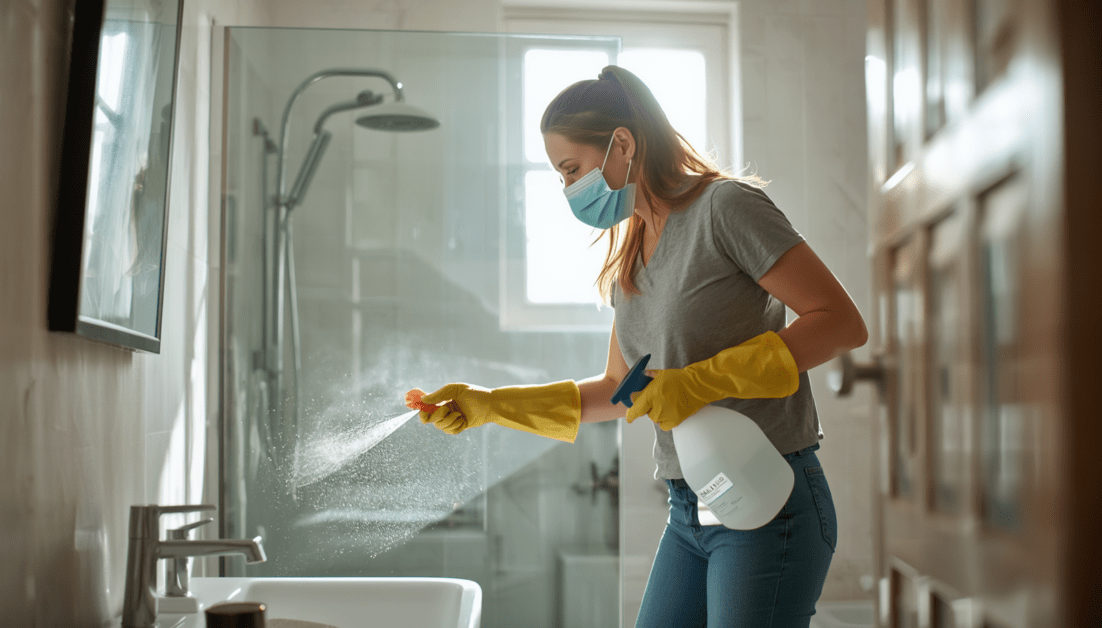
Bleach has a reputation for being the ultimate cleaner. If something looks dirty, moldy, stained, or suspicious, many people reach for the bleach bottle automatically. It smells strong, it feels powerful, and it definitely has its place. But bleach is not the universal cleaning solution people often assume it is.
In fact, using bleach on the wrong surface can damage materials, create fumes, ruin fabrics, and even make certain messes worse instead of better. Before you spray it on countertops, bathroom fixtures, or anything else in your home, it helps to know what bleach actually does, where it works best, and where it should stay far away.
If you are trying to maintain a cleaner, safer home without damaging your surfaces, understanding bleach is essential. And when home maintenance starts feeling like too much trial and error, many homeowners eventually turn to Thousand Oaks most trusted House cleaning service to keep things under control with the right products for the right surfaces.
What bleach is actually good at
Bleach is a disinfectant and whitening agent. It is excellent for killing certain bacteria, viruses, and mold on nonporous surfaces when used properly and diluted correctly. It is also effective at removing some stains from white laundry and sanitizing certain areas in bathrooms and utility rooms.
This makes bleach especially useful for:
- disinfecting toilets
- sanitizing hard, nonporous bathroom surfaces
- whitening white towels or sheets when appropriate
- killing mold on some safe, bleach-compatible surfaces
- sanitizing certain laundry items after illness or heavy contamination
So yes, bleach can be very helpful. The problem starts when people assume that “strong” means “best for everything.”
Why bleach is not a universal cleaner
Bleach disinfects, but it is not actually a very good general cleaner on its own. It does not cut grease particularly well, and it does not magically remove grime if dirt is still sitting on the surface. In many cases, a surface needs to be cleaned first with soap or a cleaner, then disinfected afterward if that is truly necessary.
That means if you spray bleach on a greasy stovetop, a dusty shelf, or a kitchen counter covered in food residue, you are not really solving the whole problem. You may be disinfecting part of it, but you are not effectively removing all the soil, film, and buildup.
This is one reason bleach is often overused. It gets credit for being the “strongest” product in the house, but strength and suitability are not the same thing.
Surfaces you should be careful with
One of the biggest issues with bleach is that it can be too harsh for many everyday surfaces.
Natural stone
Granite, marble, and other natural stone surfaces should not be cleaned regularly with bleach. It can dull the finish, break down sealants, and gradually damage the stone.
Wood
Bleach can discolor wood, weaken finishes, and dry out the material. It is not a smart choice for hardwood floors, wood cabinets, or furniture.
Metal
Bleach can corrode certain metals over time, especially if it is not thoroughly rinsed away. Stainless steel, appliance finishes, and metal fixtures can all suffer if bleach is used too often or too heavily.
Colored fabrics
Bleach can remove or alter color, often unevenly. Even a small splash can ruin towels, clothing, or upholstery.
Grout and caulk
While people often use bleach in bathrooms for mold, repeated use can weaken caulk and sometimes contribute to deterioration around tile edges and joints.
Electronics and screens
This one should be obvious, but bleach does not belong on TVs, laptops, remotes, or phones. It is too harsh and too risky.
The danger of mixing bleach
One of the most important rules with bleach is this: never mix it with other cleaners unless the label specifically says it is safe.
Bleach mixed with ammonia creates toxic fumes. Bleach mixed with vinegar or acidic cleaners can also release dangerous gases. Even some bathroom and glass cleaners can become hazardous when combined with bleach.
This is where a lot of accidental exposure happens. People spray one cleaner, then another, thinking they are doubling the effectiveness, when really they are creating a health risk.
If you use bleach, use it alone and according to the label directions.
When bleach makes sense
There are definitely moments when bleach is appropriate.
If someone in the house has been sick and you need to disinfect certain hard, nonporous bathroom surfaces, bleach may make sense. If you are sanitizing a toilet or dealing with mold in a bleach-safe area, it may also be useful. If you need to whiten white laundry or sanitize cleaning cloths, bleach can be effective in the right amount.
But these are more targeted situations. They are not a reason to treat bleach like an all-purpose daily spray.
What to use instead in everyday cleaning
For most cleaning tasks, milder products are safer and more effective.
Soap and water are still one of the best ways to clean a lot of surfaces. A good all-purpose cleaner works better than bleach for daily grime, fingerprints, food splatter, and general dirt. A degreaser works better for stovetops and kitchen film. Glass cleaners are better for mirrors and windows. Stone-safe products are better for countertops made from natural materials.
In other words, bleach is a specialist, not the whole team.
How to use bleach safely if you do use it
If you decide bleach is the right product for the job, use it with intention.
Ventilate the area well. Open windows or run a fan if possible. Wear gloves if you have sensitive skin. Follow dilution instructions rather than pouring it on full strength unless the label specifically directs otherwise. Apply it to the correct surfaces only, and rinse where appropriate.
And most importantly, store it carefully and keep it away from kids and pets.
The smell of bleach does not automatically mean something is cleaner. In many homes, it just means the wrong product was used more aggressively than necessary.
A smarter way to think about disinfecting
People sometimes confuse “clean” with “sterile.” Most homes do not need hospital-level disinfecting every day. They need thoughtful cleaning of the right areas: bathrooms, kitchens, floors, and high-touch points, using the right products on the right materials.
That is a healthier and more sustainable approach than bleaching everything in sight.
In places like Thousand Oaks, where many homes have a mix of natural stone, tile, wood, and modern finishes, using bleach carelessly can cause expensive surface damage over time. A well-maintained home is not about using the harshest product. It is about using the best one for each task.
Why this matters for the long term
Bleach can be useful, but it is not neutral. Every time you use it on a surface that does not need it, you are taking a small risk with finishes, fabrics, air quality, or material lifespan.
If you use it strategically, it can absolutely help with certain sanitation jobs. If you use it lazily or automatically, it can create more work and more damage.
That is why so many people eventually shift toward a more balanced cleaning routine. They keep bleach for the limited cases where it makes sense and rely on safer, surface-appropriate products for everything else.
And if keeping track of all of that starts to feel like another full-time job, that is where professional help can make life simpler. Many homeowners who want consistency without the guesswork rely on Marching Maids referral agency to keep their homes clean without the product mistakes that can happen when you are trying to do everything yourself.
Bleach has a place in the home. It just should not be every place.