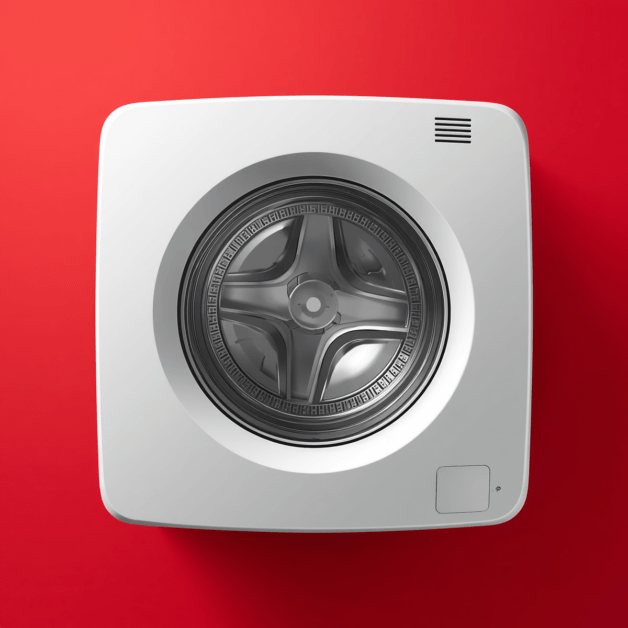
Your washing machine is supposed to clean things, so it feels a little strange to think of it as something that needs cleaning itself. But over time, detergent residue, fabric softener, hard water minerals, lint, and even mildew can build up inside the machine. If that happens, your washer can start to smell musty, leave residue on clothes, or simply stop performing as well as it should.
The good news is that cleaning your washing machine is not complicated. Once you know what to look for and how often to do it, this becomes one of those simple home maintenance habits that pays off quickly. And if you are already trying to stay ahead of laundry, bathroom grime, kitchen buildup, and everything else that comes with maintaining a home, sometimes it helps to bring in reliable house cleaning in San Diego, CA to handle the bigger reset while you stay on top of the day-to-day routines.
A dirty washing machine usually sneaks up on people slowly. At first, you may notice a faint smell when you open the lid or door. Then towels start to smell less fresh than they should, even after washing. You might see a little slime in the detergent drawer, dark spots around the door seal, or leftover soap residue inside the drum. None of that means the machine is broken. It usually just means it has been doing its job for a long time without anyone returning the favor.
Why washing machines get dirty in the first place
Every wash cycle leaves something behind. Soap doesn’t always rinse away completely. Fabric softener can create a film. Dirt and body oils from clothes do not vanish into thin air; some get flushed away, but some remain in the drum, gasket, dispenser, or filter. Front-load machines are especially prone to mildew because the rubber seal around the door traps moisture. Top-load machines can also develop buildup, especially if they are used heavily or if you tend to wash in cold water all the time.
Hard water can make the problem worse by leaving minerals behind inside the machine. And if you live in a humid climate or keep the washer closed all the time, moisture lingers longer and encourages mold and mildew growth.
Signs your washing machine needs attention
There are a few easy clues that your washer is overdue for cleaning. A sour or musty smell is one of the most obvious. You might also notice that clean clothes do not smell very clean, or that whites are looking a little dingy. If the detergent drawer has gunk in it, if the drum feels slimy, or if there is visible black residue around the door seal, it is definitely time.
Even without obvious signs, a monthly cleaning is a good habit if you do laundry frequently.
How to clean a front-load washing machine
Start with the gasket, since this is one of the dirtiest parts of the machine. Pull back the rubber seal around the door and inspect it carefully. You will often find lint, hair, small items like coins, and a surprising amount of grime tucked into the folds. Wipe it thoroughly with a microfiber cloth and a mixture of warm water and mild cleaner. If there is mildew, use a cleaner safe for mold removal and scrub gently.
Next, remove the detergent drawer if your machine allows it. Many slide out completely with a little pressure on a release tab. Soak it in warm soapy water and scrub away the detergent buildup. Do not forget to clean the cavity where the drawer slides in, since residue often collects there too.
Once those parts are handled, run a hot cleaning cycle. Many modern washers have a self-clean or tub-clean setting. If yours does, use it. You can run the cycle with a washing machine cleaner tablet or with white vinegar, depending on your manufacturer’s guidance. Some people use baking soda in a second rinse cycle afterward to help freshen the drum, but always check what your washer manufacturer recommends before mixing products or improvising too much.
After the cycle ends, wipe down the inside of the drum, the door, and the gasket again. Then leave the door open for a few hours so everything can dry completely.
How to clean a top-load washing machine
For a top-load machine, start by filling it with hot water on the largest load setting. Add a washer cleaner or white vinegar and let the machine agitate briefly before pausing it so the solution can soak. After soaking, restart the cycle and let it finish. Some people follow this with a second hot cycle using baking soda, which can help loosen additional grime and deodorize the tub.
While the machine is soaking or running, wipe down the lid, the detergent compartments, and the rim around the drum. Those areas often collect dust, soap residue, and splashes that go unnoticed for months.
If your top-loader has a fabric softener dispenser or bleach compartment, remove and soak those parts if possible. Scrub them gently with a small brush and rinse thoroughly before putting them back.
Do not forget the filter and drain areas
Depending on your machine model, there may be a filter that needs occasional cleaning. This is especially common on front-load washers. The filter is often located behind a small panel near the bottom front of the machine. Check your owner’s manual before opening it. Have towels ready, because some water may come out.
Cleaning the filter can remove trapped lint, hair, coins, and other debris that affect drainage and smell. If you have never cleaned it before, do not be surprised if it looks rough. Once it is rinsed and replaced, the machine may drain better and smell fresher.
How often should you clean it?
For most households, once a month is a good schedule for cleaning the machine itself. If you have a large family, wash sports clothes often, do a lot of pet laundry, or live in an area with hard water, you may want to be even more consistent.
The gasket and detergent drawer can be wiped weekly if you want to stay ahead of mold and buildup. The filter can usually be checked every few months, depending on how much use the machine gets.
Daily habits that keep your machine cleaner longer
A few small habits make a huge difference. The simplest one is leaving the washer door or lid open after each load. This lets moisture escape and makes it much harder for mildew to grow. If you have a front-load machine, also wipe the gasket dry when you remember. It takes less than thirty seconds and prevents a lot of future grime.
Try not to overuse detergent. More soap does not necessarily mean cleaner clothes. In fact, too much detergent leaves more residue inside both the machine and your laundry. If you use fabric softener, be aware that it can contribute to buildup over time, especially in dispensers and drums.
If you can, wash a load of whites or towels in hot water once in a while. Constant cold-water washing is fine for many clothes, but an occasional hot cycle helps reduce residue and bacterial growth.
Why this matters more than people think
When your washer is dirty, it affects everything downstream. Clothes come out less fresh, towels start smelling weird, and you may find yourself re-washing items that should have been fine the first time. That means more time, more water, more detergent, and more frustration.
A clean washing machine also supports a cleaner-feeling home overall. Laundry is one of those background systems that affects daily life more than people realize. When it is running smoothly, everything feels easier. When it is not, it quietly creates extra work.
When to get help
Cleaning a washing machine is manageable for most people, but it is also one of those tasks that often gets postponed because it sits in the category of “important but not urgent.” If your home is already feeling like it needs a reset, you may not want to spend your free time scrubbing laundry gaskets and dispenser drawers.
That is where a professional whole-home reset can be useful. While a cleaner may not be servicing the inside mechanics of your washer, having help with the rest of the home—bathrooms, floors, kitchen surfaces, dusting, and general buildup—can free you up to handle small maintenance tasks like this without feeling overwhelmed.
A clean machine means cleaner clothes
The washing machine is easy to ignore because it is a tool, not a room. But just like a shower, sink, or dishwasher, it needs periodic care to do its job well. A little monthly attention can prevent odors, improve performance, and help your clothes come out fresher every time.
So yes, your washing machine needs cleaning too. Once you do it, you will probably notice the difference right away—not just in the smell of the machine, but in the quality of the laundry coming out of it.