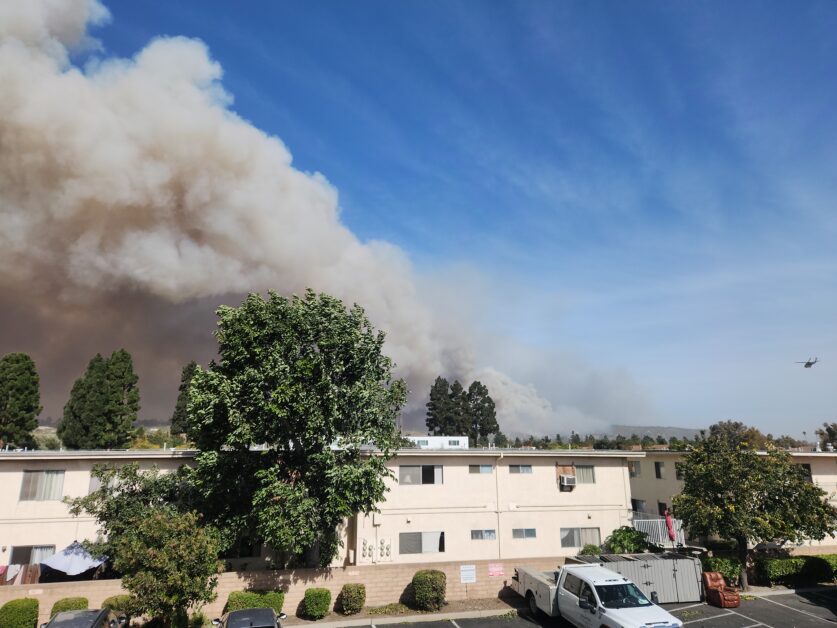
Wildfire season changes the way a home feels almost overnight. Even when flames are far away, the effects still find their way indoors. Smoke lingers in the air, fine ash settles on windowsills, floors pick up extra debris from shoes and pets, and surfaces that looked clean a day ago can suddenly feel dusty again. In places like Moorpark, where dry weather, wind, and seasonal fire conditions are a reality, keeping a home clean during wildfire season is not just about appearance. It is also about comfort, air quality, and reducing the amount of residue that builds up inside.
The challenge is that wildfire debris is different from ordinary dust. It is finer, more persistent, and easier to spread around if you clean the wrong way. A dry duster or a quick sweep can actually push particles back into the air rather than remove them. That is why the best approach during wildfire season is not to clean more aggressively, but to clean more strategically.
The first thing to focus on is keeping as much outdoor contamination from entering the home as possible. During smoky or ash-heavy days, doors and windows should stay closed as much as practical. If people are coming in and out often, it helps to treat the entryway like a buffer zone. Shoes should come off at the door, bags and jackets should stay near the entrance, and doormats should be shaken out or vacuumed regularly. If ash is visible outside, even small amounts tracked in on soles can quickly spread through the house.
Air circulation matters just as much as surface cleaning. If your HVAC system is running, the filter should be checked more often during wildfire season because it has to work harder to trap particles. A clogged filter will not only make the system less efficient, it can also allow more smoky residue to linger indoors. If you use portable air purifiers, they can help a lot in bedrooms and the main living area, especially during stretches when the outdoor air is poor and the house stays sealed up for days at a time.
Once the air side of things is under control, surfaces become the next priority. During wildfire season, the best tool for most dusting is a damp microfiber cloth. Dry cloths and feather dusters tend to move ash around instead of collecting it. A lightly dampened cloth traps particles and removes them from the surface instead of pushing them back into the room. This is especially important for high-touch and high-visibility areas like countertops, tables, window ledges, nightstands, and shelves near doors or vents.
Floors also need a different routine than usual. Sweeping can stir fine particles back into the air, so vacuuming with a good filter is often the better first step, especially on rugs or carpet. For hard floors, a vacuum followed by a damp mop works better than a broom alone. During wildfire season, hallways, entryways, and the main paths through the home usually need the most attention because they collect the most outdoor residue. If the house still feels gritty even after one pass, that usually means ash has been tracked further than expected and the floor needs a more thorough reset.
Windows and window tracks tend to show wildfire residue quickly. Even if you keep them closed, smoke and ash can collect around frames, sills, and screens. Wiping these areas down regularly can help the home feel fresher and stop buildup from becoming harder to remove later. The same goes for blinds and curtains near frequently used windows or doors. Soft materials tend to absorb odors, so if the house starts to smell smoky, washing curtains, throw blankets, pillow covers, and bedding can make a surprisingly big difference.
Upholstered furniture is another area people often forget. Couches, dining chairs, and fabric headboards can quietly absorb smoke odors, especially if the air quality outside has been poor for several days. Vacuuming fabric surfaces, laundering removable covers, and occasionally freshening soft furnishings helps prevent that stale, smoky feeling from settling into the house. If you have pets, wildfire season can make this worse because their fur can carry in extra particles from the yard.
Kitchens and bathrooms deserve special attention too, not necessarily because they collect more ash, but because they are the rooms where cleanliness affects comfort most. A smoky or dusty house feels much more manageable when the sink is polished, counters are clear, and bathrooms are fully reset. During stressful weather, those clean zones matter more than usual. If you are trying to keep up with the season without spending all your time scrubbing, it often helps to focus first on the rooms you use the most and the surfaces that make the biggest visual difference.
Laundry habits also shift during wildfire season. Clothes worn outside can carry in smoke and dust, especially if you have been walking the dog, running errands, or spending any time in the yard. Keeping those clothes from landing on beds, sofas, or clean chairs reduces how much residue travels through the house. Towels and bedding may also need to be washed more frequently if the home starts to feel stale or if windows have been opened briefly during smoky periods.
One of the most helpful things a homeowner can do during wildfire season is lower the expectation of perfection and focus instead on control. The goal is not to make the house feel untouched by the season. That usually is not realistic. The goal is to reduce buildup, improve indoor air quality, and prevent the home from feeling progressively dirtier day after day. Small, consistent resets usually work better than waiting until everything feels overwhelming.
That is one reason some homeowners look into seasonal cleaning services in Moorpark during wildfire season. A thorough cleaning reset can remove the fine dust and smoky residue that builds up in overlooked places, making it easier to maintain the home between visits and keep indoor spaces feeling more livable while outdoor conditions are challenging.
Wildfire season cleaning is really about adapting to what the environment is doing. The same routines that work in spring or early summer do not always work when smoke and ash are part of daily life. By cleaning with the right tools, protecting the entry points of the home, paying closer attention to fabrics and floors, and staying ahead of buildup instead of chasing it, you can keep your home feeling cleaner, healthier, and more comfortable even during the toughest part of the season.