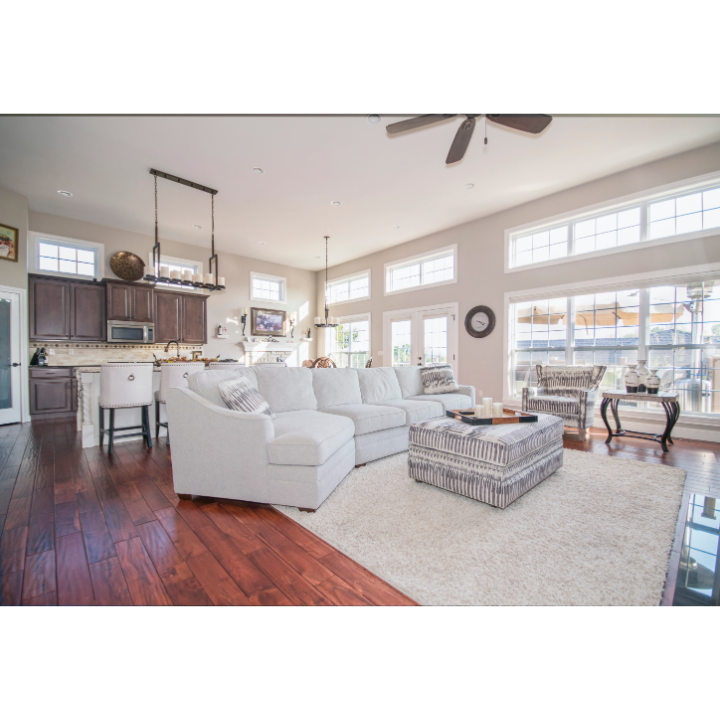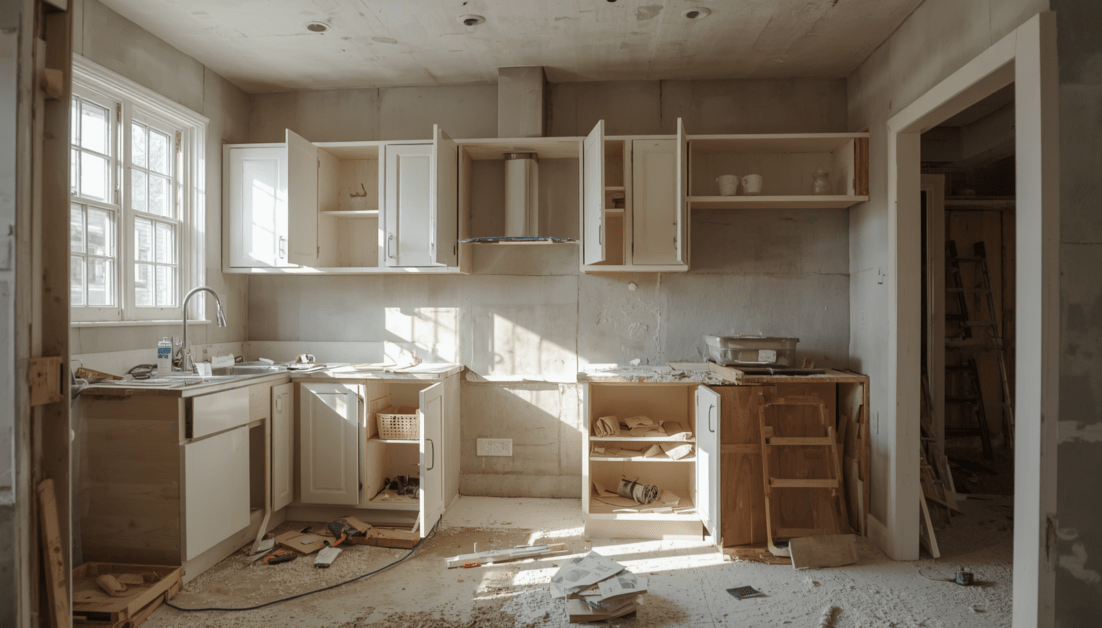
A renovation can completely transform a home, but even the best remodel leaves behind a mess that goes far beyond what a normal cleaning routine can handle. Fresh paint, new flooring, updated cabinets, and improved fixtures may look beautiful, but what often comes with them is fine dust, debris in corners, residue on surfaces, and a layer of construction grime that seems to settle everywhere at once.
This is why post-renovation cleaning needs its own plan. A home that has just been remodeled may look finished, but it rarely feels ready to live in until the cleanup is done properly. If you want that true “finished project” feeling, timing and method matter.
For homeowners who do not want to tackle this process alone, many turn to thorough post-construction cleaning services in Anaheim or broader post-construction cleaning services to handle the kind of deep reset a renovation really requires.
Why post-renovation cleaning is different
Construction dust is not like ordinary household dust. It is finer, more invasive, and much easier to spread if you clean the wrong way. It settles on baseboards, inside drawers, on top of cabinets, in vents, around trim, and across floors that may already be brand new. It can also cling to walls, windows, light fixtures, and every horizontal surface in the room.
There may also be leftover adhesive residue, caulk smears, paint splatter, labels on new fixtures, sawdust in closet corners, and hardware packaging forgotten in cabinets or behind appliances. Even a “small” project like replacing floors or remodeling a bathroom can create dust and residue well beyond the actual work zone.
Because of that, post-renovation cleaning is less about tidying and more about systematically removing all the leftover evidence of construction.
When should you deep clean after a renovation?
The short answer is: after the contractors are completely finished, but before you fully settle the room back into everyday use.
That means waiting until:
- all major work is done
- paint is dry
- flooring is installed
- contractors have removed tools and large debris
- touch-ups are finished
- no more sanding, cutting, or drilling is expected
If you clean too early, more dust will just settle again and you may have to repeat the whole process. If you wait too long after the project is done, that fine dust may spread into the rest of the house or get worked deeper into fabrics and flooring.
The ideal window is usually right after final construction wrap-up and before furniture, décor, and daily life fully return to the space.
Start with the air, not the floor
One of the biggest mistakes people make is vacuuming or mopping first. After a renovation, dust often lives in the air and on higher surfaces before it settles downward. If you clean the floors too early, you may have to do them all over again.
A better order is:
- ventilate the area if possible
- check and replace HVAC filters if needed
- dust high surfaces first
- work downward
- finish with the floors last
Construction dust gets pulled into vents and circulated through HVAC systems surprisingly fast. If your filter has collected renovation debris, replacing it early in the cleaning process can help keep dust from continuing to spread.
What to clean first
Ceilings, vents, and light fixtures
Dust settles upward and clings in places people forget to look. Start with ceiling fans, vents, recessed lights, light fixtures, and the tops of door frames. A dry microfiber cloth, vacuum with a brush attachment, or extendable duster works well here.
If your renovation involved drywall or sanding, these upper surfaces may be carrying much more dust than you expect.
Walls, trim, and doors
Freshly painted walls usually do not need heavy cleaning, but trim, door edges, and frames often collect dust or smudges during construction. Wipe them down gently with a microfiber cloth. If there are visible paint drips, adhesive bits, or fingerprints, spot-clean those carefully rather than over-wetting everything.
Baseboards and trim around windows tend to hold a surprising amount of fine debris after renovation work.
Cabinets, drawers, and shelves
If you installed new cabinetry or had work done near existing storage, every shelf and drawer should be wiped out before you put anything back in. Sawdust and fine powder often settle inside even when doors were closed.
This is especially important in kitchens and bathrooms, where you do not want dishes, towels, or toiletries going back into dusty spaces.
Windows and glass
Post-renovation windows are often left with fingerprints, dust, stickers, and a faint haze from nearby sanding or cutting. Clean the glass, but also pay attention to tracks, sills, and corners where debris hides.
If painters or installers left labels or adhesive residue, remove that before doing your final wipe-down.
Then move to surfaces and fixtures
Counters, vanities, sinks, tubs, hardware, appliance exteriors, and new fixtures all need a careful pass. Renovation dust can dull the look of freshly installed surfaces, and residue from protective wraps or packaging may still be hanging around.
This is where method matters. New surfaces often need gentle treatment. You do not want to scratch fresh finishes, damage new stone, or use a chemical that is too harsh for recently installed materials. When in doubt, mild cleaners and soft cloths are the safest starting point.
Save the floors for last
Floors should be the final step, not the first. By the time you get to them, dust from higher surfaces should already be removed.
How you clean them depends on the type of flooring:
- hard floors should usually be vacuumed first, then damp mopped
- carpet should be vacuumed slowly and thoroughly, possibly more than once
- tile should be vacuumed or swept carefully before mopping so grit does not scratch surfaces
- newly finished wood floors may need extra caution and manufacturer-safe products
Post-renovation floor cleaning often takes more than one pass. Fine dust tends to spread and settle in phases, so a second vacuum or mop the next day is sometimes normal.
Do not forget the hidden zones
This is what separates a quick cleanup from a real post-construction deep clean.
Make sure to check:
- inside closets
- behind toilets
- under sinks
- around washer and dryer hookups
- behind appliances before they are fully pushed back
- inside pantry corners
- around outlet covers and switches
- window ledges and tracks
- stair corners and hallway edges outside the work area
Construction dust does not stay politely contained. It travels.
How long should post-renovation cleaning take?
That depends on the size of the project.
A bathroom remodel may need a few focused hours. A full kitchen renovation or multi-room remodel may need a full day or more of detailed cleaning, especially if the dust has spread throughout adjacent spaces.
What surprises most homeowners is not the size of the debris, but the amount of fine residue that remains after the contractors are gone. It is the details, not the big mess, that take the time.
When to hire professionals
If the renovation was substantial, if the home has specialty finishes, or if you simply want the space truly move-in ready without spending your own time on it, professional post-construction cleaning is often the smartest move.
This is especially true when:
- there was drywall sanding
- multiple rooms were affected
- dust spread through vents or open areas
- you have new finishes you do not want to damage
- you are moving furniture back in soon
- you need the space presentation-ready immediately
A true post-construction clean is more detailed than standard housekeeping. It is not just wiping things down. It is removing dust, debris, residue, and film from every surface until the house actually feels finished.
The difference a real post-renovation clean makes
A renovation is expensive, disruptive, and often exhausting. Once it is over, the last thing most people want is to keep living in the mess left behind. But until the dust is gone, drawers are wiped out, floors are reset, and the air feels clean again, the project never really feels complete.
That is why deep cleaning after a renovation matters so much. It is the final stage of the job. It is what turns “the contractors are done” into “the room is ready.”