Running a short-term rental in La Quinta can be incredibly rewarding. You get a steady stream of guests coming for golf weekends, tennis tournaments, festivals, desert getaways, and family vacations. But there’s one thing that determines whether those guests leave five-star reviews or quietly look elsewhere next time: how clean the property feels the moment they walk in.
In a resort town like La Quinta, guests are often paying a premium to relax. They expect hotel-level cleanliness with home-level comfort. Dust on ceiling fans, streaky shower glass, or a sticky kitchen floor can undo a beautifully decorated space in seconds. That’s why having a solid, repeatable cleaning routine is less of a nice-to-have and more of a core business system for hosts.
This guide is built specifically with La Quinta hosts in mind. You’ll get practical routines you can follow yourself or hand off to a cleaner, plus a way to adapt the schedule based on how busy your calendar is and what kind of guests you attract.
Why La Quinta rentals need a specific cleaning plan
La Quinta is gorgeous, but the desert environment comes with some cleaning challenges that don’t show up the same way in coastal or urban markets.
Dry air and dust
Sand, fine dust, and pollen travel easily. With guests coming and going, opening patio sliders, and spending time outside, you’ll see dust collect quickly on furniture, window sills, and floors.
Pools and outdoor living
A lot of La Quinta rentals have pools, hot tubs, fire pits, and outdoor seating. Wet feet, pool towels, and drifted leaf debris all find their way inside if you don’t plan for them.
High turnover periods
Festival weeks, snowbird season, and holidays can mean back-to-back same-day check-outs and check-ins. You need a routine that works on tight timelines without sacrificing standards.
Temperature swings
Guests may run air conditioning heavily in summer and open windows when it cools off. That means more lint and dust in vents and more fingerprints on glass.
All of this means your cleaning routine should pay extra attention to dust, entry points, hard floors, and anything guests touch often.
Three levels of cleaning every La Quinta host should plan for
Most successful short-term rentals operate with three layers of cleaning:
-
Turnover clean: what happens between every stay
-
Deep clean: what happens every month or after a set number of stays
-
Seasonal or maintenance clean: what happens a few times a year
If you write these down and make them repeatable, you can train helpers more easily or hand the list straight to a professional cleaner.
Turnover clean: the non-negotiables between every booking
The turnover clean is your baseline. Even if you have only a few hours between guests, these are the tasks that need to be done every single time so the place feels hotel-ready.
Entry and first impression
The front door, porch, and first sightline matter. In La Quinta, wind can blow dust and debris right up to your entryway.
At each turnover:
-
Sweep or blow the front step and walkways.
-
Wipe the front door handle and any obvious fingerprints on the door.
-
Make sure porch lights are dusted and working.
Kitchen reset
Guests notice the kitchen right away, even if they don’t cook much.
Between stays:
-
Empty the fridge completely unless you intentionally provide sealed basics. Wipe shelves and handles.
-
Check the freezer for forgotten items, ice cream spills, or open bags.
-
Run the dishwasher and put everything away so guests don’t open it to find someone else’s dishes.
-
Wipe counters, cabinet fronts near the handles, appliance fronts, and backsplashes.
-
Clean inside the microwave, toaster crumb tray if accessible, and coffee maker exterior.
-
Take out all trash and recycling and replace liners.
Bathrooms
Bathrooms are where reviews are often made or broken. In a dry climate, hard water spots show more, and guests are very sensitive to hair and smells.
Turnover checklist:
-
Remove used towels and bathmats and replace with fresh ones.
-
Scrub toilets, including under the seat and base.
-
Clean shower walls, glass, and fixtures. Rinse away soap residue and check for stray hair.
-
Wipe the vanity, faucet, and sink, and polish mirror glass.
-
Check drawers and under the sink for forgotten personal items.
-
Empty trash and make sure there is spare toilet paper visible.
Bedrooms and bedding
Clean, crisp bedding goes a long way.
At every turnover:
-
Strip all used beds and launder sheets and pillowcases. Rotate extra sets if you keep them on site.
-
Replace duvet covers or wash blankets regularly; if not every stay, then on a schedule based on how heavily the bed is used.
-
Smooth and straighten linens so the bed looks intentionally made, not rushed.
-
Check under beds for trash, socks, and luggage tags.
-
Dust nightstands, lamps, and headboards, especially in dusty La Quinta air.
Living areas
Guests gather here to relax, so any dust or crumbs shows quickly.
Turnover routine:
-
Dust surfaces, TV stands, coffee tables, and window sills.
-
Fluff pillows and fold throw blankets.
-
Check under cushions for crumbs and lost items.
-
Wipe remotes and high-touch electronics.
-
Vacuum or sweep floors and rugs, especially near sliders to the patio.
Floors
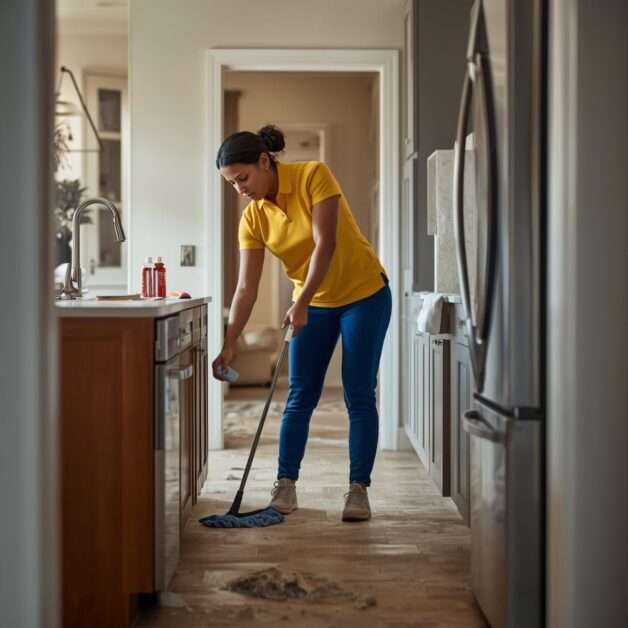
In La Quinta, floors take a beating from dust, sand, and pool traffic.
Each turnover:
-
Vacuum rugs and runners thoroughly.
-
Sweep or vacuum hard floors, then do a light damp mop if time allows.
-
Pay special attention to entry points from outside and from the pool area.
Outdoor spaces
Even if your guests only spend a little time outside, the condition of your outdoor areas affects how they feel about the place.
Turnover tasks:
-
Straighten chairs, cushions, and loungers.
-
Shake off or brush cushions to remove dust and debris.
-
Empty outdoor trash if you provide it.
-
Check for cobwebs by doors, lights, and seating areas.
Deep clean: what needs extra attention on a regular schedule
Even well-done turnarounds miss some areas by necessity. A deep clean makes sure build-up doesn’t sneak up on you and cause a bad surprise for a picky guest.
Depending on your booking volume, schedule a deep clean:
Deep clean focus areas:
Kitchen
-
Clean inside the oven and wipe the stovetop thoroughly, including burner rings.
-
Pull the fridge forward if possible and clean the sides and floor area.
-
Wipe inside cabinets and drawers; remove crumbs and coffee grounds.
-
Check dishes, pans, and utensils for stuck-on residue and rewash as needed.
Bathrooms
-
Descale shower heads and faucet aerators if mineral build-up is visible.
-
Scrub grout lines and around the base of the toilet.
-
Wash or replace shower curtains and liners.
Bedrooms and living areas
-
Vacuum mattresses and under beds.
-
Dust baseboards, vents, fan blades, and light fixtures.
-
Wash or spot-clean throw pillow covers and blankets.
-
Clean interior window glass and tracks.
Floors and rugs
-
Give rugs a more thorough vacuum, including edges and under furniture.
-
Address any stains right away instead of hoping nobody notices.
-
Mop hard floors more thoroughly, paying attention to corners and edges.
Outdoor
-
Hose down or wipe outdoor furniture and side tables.
-
Clean patio doors and railings.
-
Check the grill, if you provide one, and clean grates and drip pans regularly.
Seasonal and maintenance cleaning for La Quinta rentals
A few times a year, it pays to go beyond even a deep clean and think like a property manager rather than just a host.
For La Quinta, good times for a seasonal clean are:
-
Before peak snowbird or festival season starts
-
After a very busy run of bookings
-
Before or after the hottest part of summer, depending on your calendar
Seasonal tasks might include:
-
Washing exterior windows that guests see most.
-
Having carpets or upholstery professionally cleaned if they get a lot of use.
-
Checking caulk around tubs and sinks and refreshing it as needed.
-
Cleaning inside closets and storage areas guests use.
-
Checking for scuffs on walls and touching up paint in high-traffic spots.
Supply restock routine that saves you time
Cleaning is only half the battle; the other half is keeping your rental stocked so your cleaner isn’t scrambling and guests aren’t messaging you late at night.
A simple restock system:
-
Create a checklist for every turnover: toilet paper, paper towels, trash bags, coffee supplies, hand soap, dish soap, dishwasher pods, laundry detergent (if guests can use the washer).
-
Keep a labeled storage bin for back-stock in a locked owner’s closet or high shelf.
-
Train yourself or your cleaner to note when each item gets low and add it to a running shopping list or shared note.
Because vacation rental house cleaning in La Quinta has to work around busy schedules and same-day bookings, building this restock step into the routine keeps things from falling apart when you get back-to-back stays.
When to bring in professional help
Even hosts who usually clean themselves often reach a point where outsourcing some of the work makes sense. This might be when:
-
You’re juggling multiple listings.
-
You’re getting more same-day turnovers.
-
You live out of town or travel often.
-
You just don’t want to spend your limited time in La Quinta scrubbing showers.
A professional cleaner who understands short-term rentals and house cleaning in La Quinta can:
-
Follow a clear turnover checklist so standards stay consistent.
-
Handle deep cleans on a planned schedule instead of you trying to squeeze them in.
-
Spot minor issues early (like damage, leaks, or heavy wear) so you can address them before guests complain.
A practical template you can adapt
Here’s a simple way to translate all this into a working system:
For every stay
Turnover clean: entry, kitchen reset, bathrooms, beds, dusting, trash, floors, quick patio tidy, and basic restock.
Every 8–10 stays (or monthly in busy times)
Deep clean: behind and inside major appliances, grout, vents, baseboards, fan blades, mattress and rug detail.
Two to three times per year
Seasonal clean: windows, carpet or upholstery cleaning if needed, closet refresh, outdoor furniture wash-down, touch-up paint.
You can print this, tweak it for your specific property, and use it as the central cleaning guide whether you’re doing the work yourself or coordinating with a cleaner.
A clean experience is part of your brand
In La Quinta, guests are choosing your rental over a resort or hotel. That means the condition of the property is part of your brand, not just a background task. Clear, repeatable cleaning routines make your life easier, protect your investment, and keep your reviews strong.
Once your system is dialed in, every new guest walks into the same feeling: fresh air, clean surfaces, crisp bedding, and a space that feels taken care of. And that’s what keeps your calendar full.
 Larger Square Footage = More Surface Area
 Open Space Dust Is Real in Conejo Valley
 Families Multiply the Mess
 Pets Increase Cleaning Frequency
 Monthly Cleaning Works If: