A Modern Cleaning Dilemma
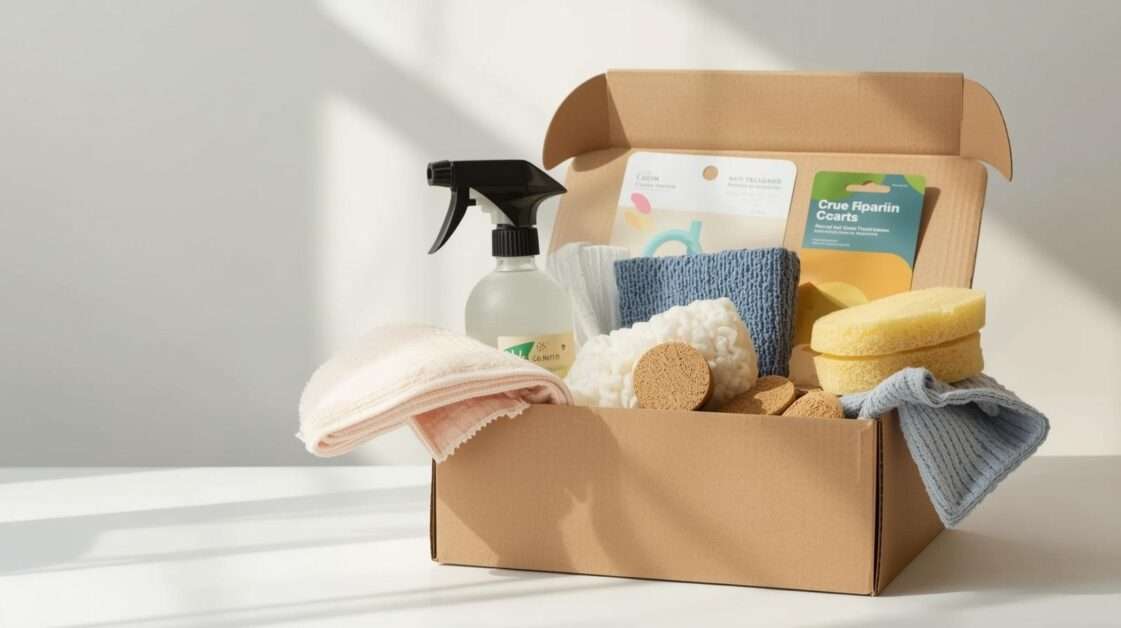
The cleaning product aisle at your local Downey store used to be the one-stop destination for disinfectants, all-purpose sprays, and floor cleaners. But recently, subscription-based cleaning products — those eco-friendly kits delivered to your door each month — have disrupted the industry.
Are they better? Worth the cost? Or just a trend fueled by good branding and sleek packaging?
In a place like Downey, where busy households often seek convenience and value, the choice between traditional store brands and subscription-based products isn’t just about cleanliness — it’s about lifestyle. This article compares both options to help you decide what’s right for your home.
The Rise of Subscription Cleaning Products
In the past five years, companies like Grove Collaborative, Blueland, and Branch Basics have become household names — especially among eco-conscious consumers. These services offer:
-
Refillable bottles to reduce plastic waste
-
Concentrated cleaning formulas
-
Scheduled delivery to avoid store runs
-
Customizable product bundles
For residents of Downey balancing full-time work, kids, and active lifestyles, this level of convenience is a big draw.
But does convenience mean better performance?
The Reliability of Store Brands
Store brands like Clorox, Lysol, Pine-Sol, and Mr. Clean are trusted for a reason: they’ve been around for decades and deliver consistent results. You can grab them at nearly any grocery or hardware store in Downey, from your local Ralphs to the Home Depot off Lakewood Boulevard.
They also tend to be:
-
More budget-friendly
-
Widely tested and approved by regulatory bodies
-
Designed to kill 99.9% of bacteria, viruses, and mold
Store brands are perfect for those who need a proven formula that handles tough jobs — especially in high-traffic homes or after major messes.
Head-to-Head Comparison
Let’s break down the pros and cons across a few key categories:
1. Effectiveness
-
Subscription Brands: Many use plant-based, non-toxic ingredients. Great for light daily cleaning, safe for kids and pets, but may require extra effort on stubborn stains.
-
Store Brands: Strong chemical formulas that cut through grease, soap scum, and mold faster. Better for deep clean sessions or bathroom scrubbing.
2. Environmental Impact
-
Subscription: Most are eco-certified, offer refillable packaging, and reduce plastic waste.
-
Store Brands: Some companies have made strides in sustainability, but many still rely on single-use plastic and harsher chemicals.
3. Convenience
-
Subscription: Delivered to your door on schedule. No shopping needed.
-
Store Brands: Immediate access at local stores, perfect for last-minute needs.
4. Cost
-
Subscription: Slightly higher upfront cost, especially with starter kits and shipping. Savings may come long-term with refills.
-
Store Brands: Widely available at discounted prices with coupons or store promotions.
5. Customization
-
Subscription: Choose products based on surface types, scent preferences, and refill frequency.
-
Store Brands: Limited customization but plenty of specialized options for every room and surface.
What Do Professional Cleaners Use?
At many professional house cleaning services in Downey, including companies like Marching Maids, cleaners often rely on tried-and-true products from both categories — combining the power of store brands for heavy-duty cleaning with the gentleness and eco-friendliness of subscription brands for delicate surfaces and fragrance-sensitive homes.
For example, some cleaners use a store-brand disinfectant in bathrooms but switch to a refillable glass and mirror spray in the living room. The choice often depends on the job — and the client’s preferences.
What’s Best for Downey Households?
Scenario A: You’re a busy parent with pets
Subscription products like Blueland or Puracy may be better for you. They’re gentle, non-toxic, and low on fumes.
Scenario B: You need to clean a home after a party or renovation
Stick with store brands like Lysol, Clorox, or Zep for powerful, fast-acting results.
Scenario C: You want both performance and sustainability
Use a hybrid method. Store brands for bathrooms and kitchens; subscription products for surfaces that don’t require heavy-duty cleaning.
Things to Consider Before Making the Switch
-
Do you enjoy cleaning or prefer to outsource it? If you’re hands-on, subscriptions may give you a sense of involvement and control. If you outsource cleaning, store brands are still preferred for efficiency and cost.
-
Do you care about scent? Subscription products offer lighter, natural fragrances. Store brands often have strong chemical smells.
-
Are you dealing with allergies or sensitivities? Subscription brands are often hypoallergenic and better suited to sensitive users.
Final Thoughts
Ultimately, there’s no one-size-fits-all answer. A Downey household with toddlers and pets will have different needs than a single professional working late nights. What matters is choosing a system — or combination — that supports your lifestyle, health goals, and cleaning preferences.
For some, that might mean a monthly subscription box of minimalist cleaning pods. For others, it’s a bulk bottle of Pine-Sol from Target. And for many, the best solution is to let the pros handle it.
Whatever you choose, consistency is key. Clean tools and products — no matter the brand — only work if they’re used regularly and with care.