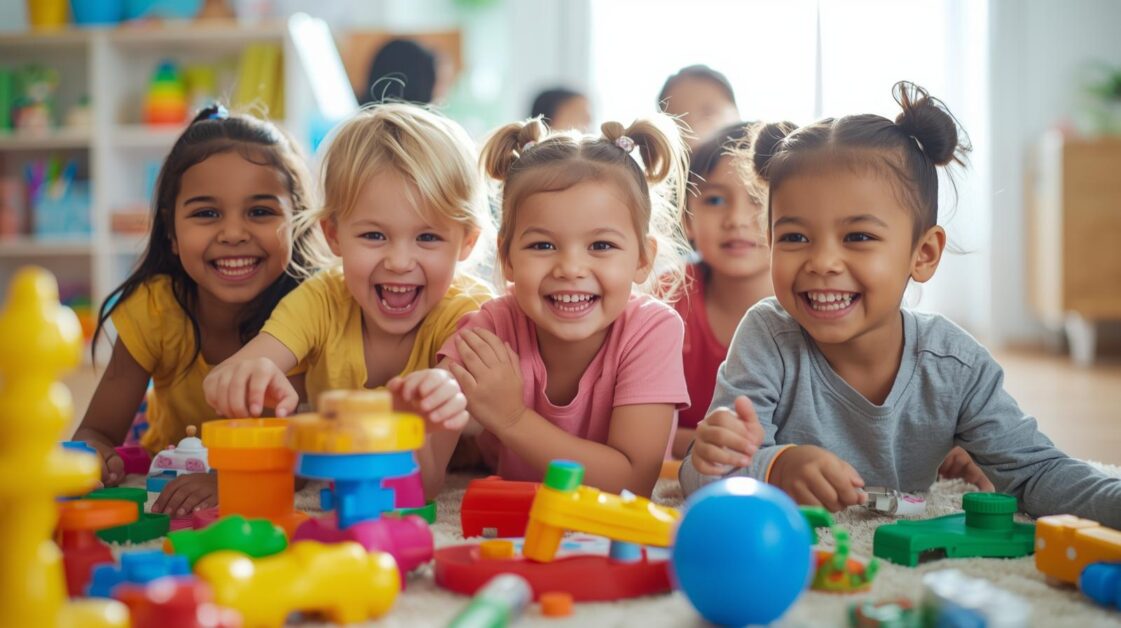
Our clients in Ojai love for things to be natural. We get it. You live in a beautiful place surrounded by awe inspiring, pink mountains. When you think about how often kids put toys in their mouths, drag them across the floor, or share them during playdates, it becomes clear: regularly sanitizing toys is a must. Whether you’re a parent, guardian, or caregiver in Ojai, keeping your child’s playthings clean is not only about appearances—it’s a matter of health and hygiene.
Different types of toys require different cleaning methods. Here’s how to safely sanitize plastic, fabric, and electronic toys without damaging them or exposing your children to harsh chemicals.
Why Toy Cleaning Matters in Palos Verdes Households
Palos Verdes offers a blend of coastal air, lush outdoor play spaces, and community activity. While that sounds idyllic, it also means plenty of opportunity for dust, allergens, and germs to sneak into your home. Children spend hours interacting with their toys, which often become breeding grounds for bacteria, viruses, and grime.
Regular sanitizing reduces the spread of illnesses, especially during cold and flu season or when your child attends daycare or playgroups. It also extends the lifespan of toys, keeping them looking and functioning like new.
Plastic Toys: The Easiest to Clean
Plastic toys are typically the most durable and can stand up to frequent cleaning. These include building blocks, action figures, teething rings, and bath toys.
Steps for Sanitizing Plastic Toys:
-
Soak in Warm Soapy Water: Fill a basin or your kitchen sink with warm water and a few drops of mild dish soap. Let toys soak for 5-10 minutes.
-
Scrub Crevices: Use a toothbrush or bottle brush to scrub around seams and joints.
-
Rinse and Disinfect: Rinse with clean water. Then, soak in a solution of 1 tablespoon of bleach per gallon of water for 2 minutes (optional for high-touch toys). Rinse thoroughly again and air dry.
-
Dishwasher Safe? Some toys are top-rack dishwasher safe. Always check the label first.
How Often? Weekly, or immediately after a child has been sick.
Fabric Toys: Gentle but Germy
Stuffed animals and plush toys are comforting companions but often harbor allergens, dust mites, and bacteria. Fabric toys need a more delicate touch.
Cleaning Soft Toys:
-
Machine Washable Toys: Place in a mesh laundry bag or pillowcase to protect seams. Wash on gentle cycle using a fragrance-free detergent. Air dry or tumble dry low.
-
Surface-Only Toys: Spot clean with a cloth soaked in warm water and mild soap. Avoid saturating the fabric. Rinse the cloth and wipe again. Allow to air dry in direct sunlight if possible.
-
Disinfection Tip: For plush toys that can’t be washed, use a steam cleaner or place them in a sealed bag with baking soda, shake well, let sit, then vacuum.
How Often? Every 1-2 months or more frequently if the toy is used daily or has been dropped in unsanitary places.
Electronic Toys: Handle with Care
Toys with batteries or built-in electronics need a specific approach to avoid moisture damage while still reducing germ transfer.
Safe Cleaning for Electronics:
-
Power Off and Remove Batteries: Always take this step to prevent electrical issues.
-
Wipe with Alcohol-Based Wipes: Use disinfectant wipes containing at least 70% isopropyl alcohol. Avoid wipes with bleach or ammonia.
-
Focus on Buttons and Screens: Use cotton swabs dipped lightly in alcohol for tight spots and grooves.
-
Dry Thoroughly: Let the toy air dry fully before reassembling or turning it back on.
How Often? Monthly, or after being used by sick children.
Toy Storage Also Matters
Clean toys should be stored in clean bins or baskets. Wipe down storage containers with disinfecting wipes monthly. Avoid using fabric toy boxes unless they are washable.
Keep a rotation system in place so not all toys are in constant use. This gives you time to clean batches while reducing clutter.
Tips for Natural Sanitizing Solutions
If you’re concerned about chemicals, natural alternatives can still be effective:
-
White Vinegar Spray: Mix equal parts vinegar and water in a spray bottle. Good for plastic and hard surfaces.
-
Hydrogen Peroxide: Works well for disinfecting without strong fumes.
-
Steam Cleaning: Great for plush toys, rugs, and surfaces.
-
Essential Oils: Add a few drops of tea tree or lavender oil to your vinegar spray for added antimicrobial properties.
Always do a patch test first on delicate toys.
When Should Toys Be Thrown Out?
Not all toys can or should be salvaged. Dispose of toys that:
-
Are cracked or have sharp edges
-
Have mold (especially bath toys)
-
Can’t be sanitized properly due to material or design
-
Have missing or exposed batteries
Being proactive about replacement is just as important as regular cleaning.
Ojai Families: We Can Help
Keeping up with toy sanitation can be overwhelming, especially with a busy schedule. That’s where a trusted professional cleaning service in Ojai makes a big difference.
Our network of vetted, independent house cleaners can assist with regular home maintenance, deep cleaning, and keeping your child’s play area hygienic and safe. We understand how important it is to maintain a clean environment for your family’s health and peace of mind.
Additional Services You Might Find Helpful:
-
Need help after an illness spreads through the household? A deep cleaning service can give your entire space a fresh start.
-
Moving or reorganizing a playroom? Our apartment cleaning or move-out cleaning options are perfect for pre- and post-transition cleanup.
-
Looking to keep your schedule free? Book a recurring cleaning service near me in Ojai that includes playroom sanitization as a focus.
Whether it’s plastic blocks, stuffed animals, or a talking robot dog, your child’s toys deserve some TLC. A regular toy-cleaning routine will cut down on illness, extend the life of your household items, and let you breathe easier.
If you’re in Ojai and want help keeping your home spotless and your kids’ playthings germ-free, reach out to schedule your next cleaning today.